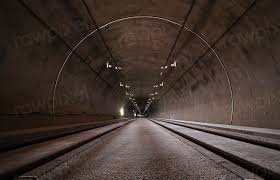

Delhi is set to witness a major infrastructure milestone with the approval of a 5-km-long tunnel connecting Mahipalpur to Mandela Marg. This strategic project, aimed at easing traffic congestion near the Indira Gandhi International (IGI) Airport, was recently approved by Chief Minister Arvind Kejriwal. It is part of a broader push to modernize the city’s road network and reduce surface traffic bottlenecks.
The tunnel will connect Mahipalpur (near NH-48/Aerocity) directly to Mandela Marg, offering a signal-free corridor for commuters traveling between South Delhi, Dwarka, and the airport terminals. This development comes in response to mounting congestion on Vasant Kunj roads and the Mahipalpur intersection, which serves thousands of vehicles daily.
Key features of the tunnel:
The tunnel is expected to significantly reduce:
Moreover, the tunnel will enhance emergency response times from the airport and improve the commuting experience for travelers and professionals heading to Aerocity or diplomatic enclaves like Chanakyapuri.
This tunnel is part of Delhi’s broader “Signal-Free Corridor” master plan, focusing on:
In terms of design:
During the execution phase, the PWD plans to:
Although minor disruptions are expected, authorities have promised regular public updates and a dedicated helpline for traffic complaints.
This 5-km tunnel is not just a connectivity upgrade—it’s part of Delhi’s vision to transform its transport backbone. With this, the city moves closer to a smarter, faster, and greener future, aligning with global benchmarks in urban mobility infrastructure.
Once operational, the corridor will become a vital conduit between Delhi’s southern sectors and the airport, further boosting the capital’s global image and internal efficiency.
The tunnel is being built to create a signal-free route between Mahipalpur and Mandela Marg, easing traffic near the IGI Airport and reducing congestion in South Delhi.
The tunnel will be approximately 5 kilometers long, starting from Mahipalpur (near NH-48/Aerocity) and ending at Mandela Marg near Vasant Kunj.
It will reduce travel time by 20–25 minutes, lower traffic jams in the Mahipalpur and Vasant Kunj areas, and improve access to the airport and Aerocity.
The construction is expected to take around 3 years after work begins, with the Public Works Department (PWD) managing the execution.
The tunnel will be built using the box-push method with reinforced concrete cement (RCC), and will include modern safety features such as ventilation shafts, fire protection, and emergency lay-bys.
Yes, some diversions and minor disruptions are expected, but the government has promised timely updates and mitigation plans to manage traffic flow effectively.
The estimated cost of the project is ₹850 crore.
Yes, it’s part of Delhi’s master plan to create signal-free corridors, decongest arterial roads, and enhance urban mobility.
Part of the NCR Guide editorial team, covering news, real estate, food and lifestyle across Delhi NCR.
Join thousands of Delhi NCR residents who start their day with our morning brief — top stories, real estate updates, events and deals.