

New Delhi, November 8, 2025:
Dozens of citizens gathered at India Gate on Friday evening demanding stronger action against Delhi’s deteriorating air quality, which has remained in the “severe” category for much of the week. The peaceful protest — organized by a coalition of environmental groups, students, and residents — called for immediate implementation of long-term air pollution control measures beyond the existing emergency protocols.
Police later detained several protesters, citing prohibitory orders under Section 144, which restricts public gatherings in central Delhi.
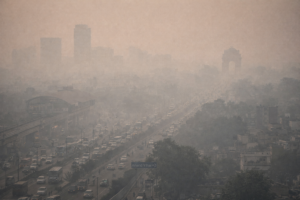
The protest comes amid worsening smog levels, with the city’s Air Quality Index (AQI) hovering around 460, among the highest readings this season. Participants, many wearing pollution masks and holding placards reading “Right to Breathe” and “Clean Air Now,” urged authorities to move beyond short-term curbs such as bans on construction or diesel vehicles.
“We are tired of breathing poison every year,” said Aditi Sharma, a college student who joined the march. “Emergency measures are not enough — Delhi needs a year-round air quality plan that actually works.”
The Delhi Police stated that the protest was held without prior permission. By 6:30 p.m., security personnel had cordoned off sections around India Gate and detained over 40 participants, including students and climate volunteers. They were taken to nearby police stations and later released.
Officials clarified that the preventive action was taken to maintain order near a high-security area and prevent traffic disruption during peak evening hours.
Protesters submitted a memorandum to the Ministry of Environment outlining key demands:
Environmental collectives like Warriors for Earth and Let Delhi Breathe coordinated the protest, which they described as “citizen-led and peaceful.”
Delhi’s pollution levels typically worsen between late October and mid-November, driven by stubble burning in neighboring states, vehicular emissions, and stagnant weather patterns. The current spell marks one of the city’s longest “severe” phases in recent years.
Meteorologists at SAFAR (System of Air Quality and Weather Forecasting and Research) said calm winds and low temperature inversions have trapped pollutants near the surface, making dispersal difficult.
Health experts have again urged residents to limit outdoor exposure, use N95 masks, and keep air purifiers running indoors during peak hours of smog concentration.
Delhi and NCR authorities have already implemented GRAP Stage IV restrictions, which include halting construction activity, suspending school classes in physical mode, and enforcing entry bans on diesel trucks.
However, environmentalists argue that these measures remain reactionary. “Every year, we’re repeating the same cycle — pollution spikes, then curbs are imposed for a week. We need systemic reforms in transport, waste management, and crop policy,” said Anumita Roychowdhury of the Centre for Science and Environment (CSE).
While the protest was small in scale, it reflects rising public impatience and youth participation in environmental movements. Similar demonstrations are reportedly being planned near Jantar Mantar and Connaught Place in the coming week.
For many, the rally symbolized a growing citizen voice seeking accountability from both state and central governments on air quality management.
Citizens, students, and environmental groups gathered at India Gate to demand stronger, long-term measures against Delhi’s worsening air pollution. They argued that short-term restrictions like vehicle bans and construction halts are not enough to tackle the recurring smog crisis.
Dozens of protesters assembled peacefully, carrying placards and chanting for clean air. However, since the gathering took place without prior permission, Delhi Police detained several participants citing prohibitory orders under Section 144, which restricts public assemblies near India Gate.
Officials confirmed that around 40 protesters were detained briefly and released later in the evening after preventive action. The detentions were made to avoid traffic disruptions and ensure public safety in the high-security area.
The demonstrators called for:
At the time of the protest, Delhi’s Air Quality Index (AQI) was around 460, placing it in the “severe” category. This level of pollution poses serious health risks, especially for children, the elderly, and those with respiratory conditions.
Authorities have enforced GRAP Stage IV restrictions, including halting construction work, banning diesel trucks, and shifting school classes online. However, environmental experts say these actions are temporary and need to be replaced with long-term solutions.
Yes. Environmental collectives and youth groups are planning more demonstrations in areas like Jantar Mantar and Connaught Place to continue pressing for stronger policies and public accountability on air quality.
Health experts advise Delhi residents to:
Part of the NCR Guide editorial team, covering news, real estate, food and lifestyle across Delhi NCR.
Join thousands of Delhi NCR residents who start their day with our morning brief — top stories, real estate updates, events and deals.