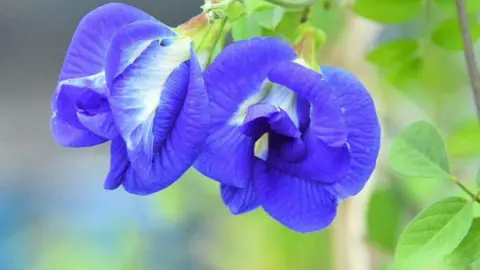

A vivid blue flower once grown mainly as a garden ornamental is quietly reshaping rural livelihoods in parts of India. Known for its striking colour and growing global demand, the blue pea flower is emerging as a high-value crop that offers farmers better returns with relatively low investment.
Often described as “magical” because of its colour-changing properties and health appeal, the flower is now finding its way into international food, wellness, and cosmetic markets.
The plant, scientifically called Clitoria ternatea, is a climbing perennial native to tropical Asia. In India, it has long been used in traditional medicine and temple rituals, but commercial cultivation is a relatively new development.
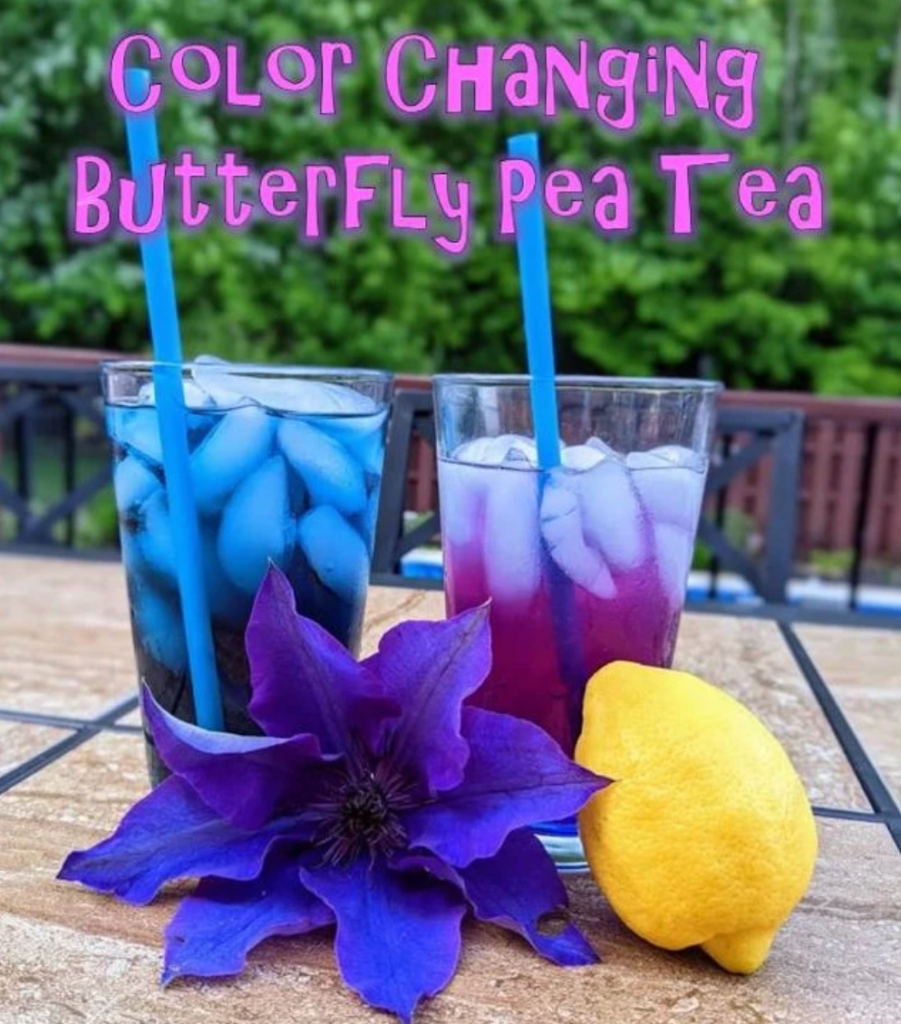
When steeped in water, the dried petals release a deep blue pigment that turns purple or pink when lemon or other acidic ingredients are added. This natural colour shift has made it popular with chefs, tea brands, and beverage companies worldwide.
International demand for blue pea flower has surged due to its use as a natural food colouring, an alternative to synthetic dyes that are increasingly falling out of favour. The flower is also marketed for its antioxidant properties and calming effects, boosting its appeal in wellness products.
Blue pea flower tea, herbal blends, cocktails, and even skincare products now feature the extract, particularly in Europe, the US, and parts of East Asia. This export demand has opened new income streams for Indian farmers.
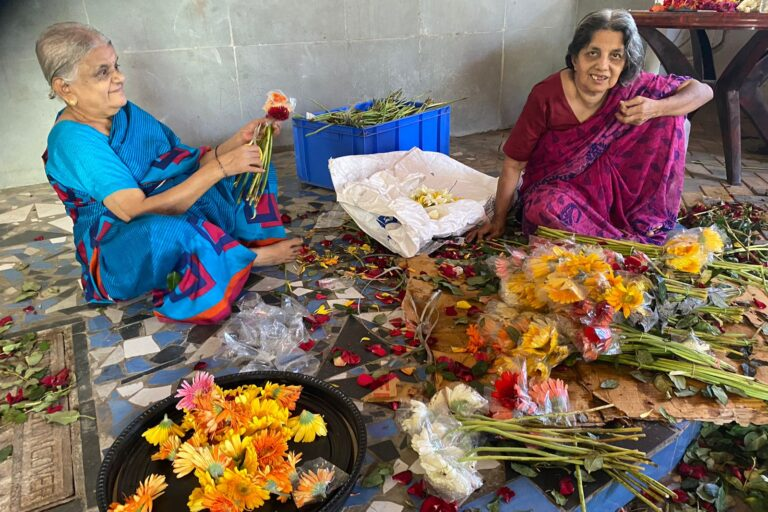
In states such as Tamil Nadu, Karnataka, Maharashtra, and parts of eastern India, farmers have begun cultivating blue pea as a primary or secondary crop. The plant requires limited water, adapts well to different soil types, and can be harvested multiple times a year.
Many growers report that even small landholdings can generate steady income, especially when flowers are dried and sold to exporters or processing units. Compared with traditional crops vulnerable to price crashes, blue pea offers more predictable returns when linked to contract buyers.
One of the key advantages of blue pea cultivation is its low input cost. Seeds are inexpensive, chemical fertilisers are often unnecessary, and pest issues are minimal. Labour is mainly required for harvesting, making it suitable for family-run farms and women-led self-help groups.
Agricultural extension officers say the crop fits well into sustainable farming models, as it also improves soil health by fixing nitrogen.
Despite its promise, the blue pea flower market is not without risks. Price fluctuations can occur if supply outpaces demand, and farmers without direct access to exporters may struggle to secure fair rates.
There are also concerns around quality control. Export buyers typically demand consistent colour, proper drying techniques, and contamination-free produce. Farmers lacking training or infrastructure may find it difficult to meet these standards.
In response, agricultural cooperatives and agri-start-ups have stepped in to provide seeds, training, and assured buy-back arrangements. Some groups are also helping farmers move up the value chain by producing teas, powders, and extracts locally rather than selling raw flowers.
Experts believe this shift toward processing could significantly boost rural incomes while reducing dependence on volatile commodity markets.
The rise of blue pea flower farming highlights how niche crops can transform rural economies when aligned with global trends. For many Indian farmers facing climate stress and shrinking margins, the vivid blue petals represent more than colour, they offer resilience and opportunity.
As demand for natural, plant-based products continues to grow, this once-overlooked flower may play an increasingly important role in India’s agricultural future.
Its natural blue pigment, health benefits, and global demand as a food colouring and wellness ingredient make it commercially attractive.
It is cultivated in several states including Tamil Nadu, Karnataka, Maharashtra, and parts of eastern and southern India.
Yes. The crop requires low investment, minimal water, and can be grown on small plots, making it accessible for small and marginal farmers.
Flowers are typically dried and sold to exporters, herbal tea companies, or processors. Some farmers also sell fresh flowers locally.
Market access and quality standards are the main challenges. Without reliable buyers or proper processing, farmers may face price volatility.
Yes. With basic drying and packaging facilities, farmers can move into value-added products such as teas and powders, improving profitability.
Part of the NCR Guide editorial team, covering news, real estate, food and lifestyle across Delhi NCR.
Join thousands of Delhi NCR residents who start their day with our morning brief — top stories, real estate updates, events and deals.