Delhi NCR is a vast and diverse region blending history, culture, spirituality, modernity, and adventure. Whether you’re looking for iconic landmarks, serene temples, vibrant markets, or thrilling adventure parks, this guide provides a comprehensive breakdown of the best places to visit. It includes essential details such as location, opening hours, entry fees, time required, and best times to visit to help you plan effectively.
This guide ensures that you experience the best of Delhi NCR, whether you are a history enthusiast, a food lover, a shopping addict, or a nature explorer. From the bustling lanes of Chandni Chowk to the grand architecture of Lutyens’ Delhi, from serene gardens to cultural extravaganzas, we cover it all.
1. How to Get Around Delhi NCR
Navigating Delhi NCR can seem overwhelming due to its vast expanse and heavy traffic, but the city has a well-connected and efficient transport network. The Delhi Metro offers a fast and reliable way to explore major landmarks, while app-based cabs, auto-rickshaws, and e-rickshaws provide convenient last-mile connectivity. Whether you’re traveling for sightseeing or daily commuting, multiple transport options ensure a seamless experience.
Public Transport Options
Delhi Metro – The most convenient way to travel across the city, connecting major attractions with an extensive network. Smart Cards are recommended for seamless travel.
Buses (DTC & Cluster Buses) – Budget-friendly but often crowded; air-conditioned buses are available on major routes.
Taxis & Ride-Hailing Apps – Ola, Uber, and BluSmart Electric Cabs offer comfortable rides.
Auto-Rickshaws & E-Rickshaws – Best for short distances; always negotiate fares beforehand.
Rental Cars & Self-Drive Options – Available for those preferring flexibility.
Delhi Travel Pass – Offers unlimited metro and bus rides for tourists.
Local Travel Tips
Avoid Peak Hours: Traffic congestion is highest between 8 AM – 10 AM and 6 PM – 8 PM.
Use Metro Feeder Buses: These connect metro stations to major tourist sites.
Stay Cautious at Night: Prefer app-based rides after dark and avoid isolated areas.
2. Historical & Cultural Landmarks
Delhi has been the capital of multiple empires, leaving behind a treasure trove of history.
As the heart of India’s past, the city boasts an unparalleled blend of architectural marvels, ancient traditions, and cultural evolution that spans centuries. As the heart of India’s past, the city boasts an unparalleled blend of architectural marvels, ancient traditions, and cultural evolution that spans centuries. As one of the most historically rich cities in the world, Delhi is a living museum, where every monument and structure tells a story of its past rulers and cultural transformations. The city has witnessed the rise and fall of dynasties, including the Mauryas, the Delhi Sultanate, the Mughals, and the British. Each dynasty has left an indelible mark on its landscape, shaping its architectural and cultural identity. The Mauryas introduced early urban planning and Buddhist influences. The Delhi Sultanate brought Indo-Islamic architecture, evident in structures like the Qutub Minar.
The Mughals created grand monuments such as the Red Fort and Humayun’s Tomb, showcasing their signature Persian-influenced designs. The British, in contrast, left behind colonial-style buildings, including Rashtrapati Bhavan and Connaught Place, adding to Delhi’s diverse architectural landscape. From awe-inspiring Mughal-era forts and UNESCO World Heritage Sites to intricate stepwells and colonial-era edifices, Delhi’s historical landscape provides a vivid narrative of India’s storied past. Visitors can explore:
Majestic palaces like the grand Red Fort and the beautifully restored Haveli Dharampura.
Grand tombs such as Humayun’s Tomb and Safdarjung’s Tomb.
Intricately carved temples including the Akshardham Temple and ISKCON Temple.
Each site narrates tales of valor, conquest, and artistic brilliance. Whether wandering through the Red Fort’s sprawling courtyards, standing beneath the towering Qutub Minar, or marveling at the symmetry of Humayun’s Tomb, every corner of Delhi resonates with echoes of its glorious and tumultuous past.
Red Fort
Location: Chandni Chowk, Old Delhi
Why Popular: A UNESCO World Heritage Site and symbol of India’s independence.
Time Needed: 2-3 hours
Best Time to Visit: October–March
Opening Hours: 9:30 AM – 4:30 PM (Closed on Mondays)
Travel Tip: Attend the Sound and Light Show in the evening for a mesmerizing historical experience.
India Gate & Rashtrapati Bhavan
Location: Rajpath, Central Delhi
Why Popular: War memorial honoring fallen soldiers, best visited at night when illuminated.
Time Needed: 30 minutes – 1 hour
Best Time to Visit: Evening or early morning
Opening Hours: Open 24/7 (President’s House tours require prior booking)
Entry Fee: Free
Highlights: Amar Jawan Jyoti, Republic Day Parade venue, Mughal Gardens.
Travel Tip: Visit the Rashtrapati Bhavan during the annual Mughal Garden opening (Feb-March).
Qutub Minar & Mehrauli Archaeological Park
Location: Mehrauli, South Delhi
Why Popular: Tallest brick minaret in the world, UNESCO World Heritage Site.
Time Needed: 2-3 hours
Best Time to Visit: October–March
Opening Hours: 7:00 AM – 5:00 PM
Entry Fee: ₹35 (Indians), ₹550 (Foreigners)
Highlights: Iron Pillar, Alai Darwaza, ruins of Mehrauli Archaeological Park.
Travel Tip: Explore hidden gems like Jamali Kamali Mosque & Haunted Tombs in the Mehrauli Park.
Other Key Landmarks
Humayun’s Tomb (Persian gardens, predecessor to the Taj Mahal)
Lodhi Garden (Historical park, perfect for photography & morning walks)
Jantar Mantar (Astronomical instruments from the 18th century)
Hauz Khas Village (Fusion of historical ruins, cafés, and nightlife)
3. Temples & Spiritual Sites
Delhi is home to a diverse array of spiritual sites that reflect its deep-rooted religious traditions and architectural brilliance. From grand Hindu temples to serene Buddhist monasteries and historic mosques, the city offers a spiritual retreat for visitors of all faiths.
These sacred places are not only centers of worship but also architectural wonders that attract tourists and devotees alike.
Akshardham Temple
Location: Near Noida Mor, East Delhi
Why Popular: World’s largest Hindu temple, featuring intricate carvings & exhibitions.
Time Needed: 3-4 hours
Best Time to Visit: Evening for the light & sound show
Opening Hours: 10:00 AM – 6:30 PM (Closed on Mondays)
Entry Fee: Free (Exhibitions: ₹170 for adults)
Travel Tip: No electronics allowed inside; use the free locker facility.
Lotus Temple
Location: Nehru Place, South Delhi
Why Popular: Baháʼí House of Worship with serene architecture.
Time Needed: 1 hour
Best Time to Visit: Early morning or evening
Opening Hours: 9:00 AM – 5:30 PM (Closed on Mondays)
Entry Fee: Free
Travel Tip: Maintain silence inside as it’s a meditation space.
I attempted to update and refine the Shopping & Markets section by improving its structure, enhancing readability, and adding details about key shopping destinations in Delhi NCR. However, the update did not go through due to a pattern recognition issue in the document.
Here’s the revised paragraph you can manually update in your document:
4. Shopping & Markets
Delhi NCR is a paradise for shoppers, offering everything from bustling street markets to high-end luxury malls. Whether you’re looking for traditional handicrafts, budget fashion, or designer brands, the city caters to every shopping preference. Markets like Chandni Chowk transport you back in time with their centuries-old charm, while places like Connaught Place and Khan Market blend heritage with modernity. For a more curated shopping experience, Delhi also boasts contemporary malls that house international brands and gourmet restaurants.
Top Shopping Destinations
Chandni Chowk – A historic marketplace famous for textiles, bridal wear, spices, and traditional jewelry. Don’t miss the narrow alleyways dedicated to silverware and authentic Mughlai eateries like Karim’s.
Sarojini Nagar – The go-to market for budget-friendly fashion, offering export surplus clothing at unbeatable prices. Bargaining is key to getting the best deals.
Connaught Place – A colonial-era shopping district featuring high-end brands, bookstores, and vibrant cafés. The central plaza is a perfect blend of heritage and urban culture.
Dilli Haat – A cultural hub showcasing handcrafted goods from across India, including pottery, paintings, and textiles. The open-air market also offers regional delicacies from different Indian states.
Khan Market – One of the most upscale shopping areas in Delhi, offering luxury boutiques, bookstores, and gourmet restaurants.
Select Citywalk & DLF Malls – If you’re looking for global brands, premium fashion, and fine dining, these malls in South Delhi and Gurugram are the best options.
Here’s the updated and proofread version of the Food Experiences in Delhi NCR section, formatted for better readability, depth, and engagement:
5. Food Experiences in Delhi NCR
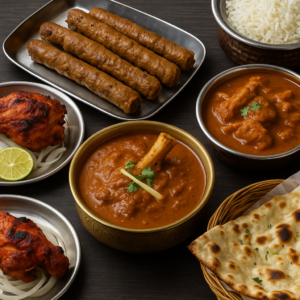
Delhi NCR is a food lover’s paradise, offering a mix of street food, fine dining, regional delicacies, and global cuisines. From age-old Mughlai recipes to experimental fusion dishes, every corner of the city has something delicious to offer. Whether you’re indulging in the legendary street food of Old Delhi, exploring trendy cafés, or dining at award-winning restaurants, Delhi ensures an unforgettable culinary experience.
Must-Try Street Food
Paranthe Wali Gali (Chandni Chowk) – A historic lane offering deep-fried, stuffed parathas with an array of chutneys and pickles.
Chole Bhature (Sitaram Diwan Chand, Paharganj) – Fluffy bhature paired with spicy chole and pickled onions, a Delhi breakfast staple.
Dahi Bhalla & Aloo Tikki (Natraj, Chandni Chowk) – Crispy aloo tikkis and melt-in-the-mouth dahi bhallas served with chutneys.
For travelers with limited time, this itinerary ensures you cover Delhi’s most iconic sites in just one day:
Morning: Visit India Gate for a refreshing start, followed by a drive past Rashtrapati Bhavan and some time exploring the colonial-era charm of Connaught Place.
Afternoon: Discover Mughal grandeur at Humayun’s Tomb, then unwind at the serene Lotus Temple.
Evening: Experience the stunning Akshardham Temple, concluding your day with the mesmerizing light and water show.
Three-Day Plan
For a deeper dive into Delhi’s historical, cultural, and culinary experiences, this three-day plan offers a balanced exploration:
Day 1: Old Delhi Heritage & Street Food Experience
Start at the Red Fort, a grand reminder of Mughal splendor.
Visit the magnificent Jama Masjid, one of India’s largest mosques.
Explore the bustling lanes of Chandni Chowk, sampling iconic street food like parathas, kebabs, and jalebis.
End the day at Raj Ghat, the memorial of Mahatma Gandhi.
Day 2: South Delhi’s Historical and Modern Blend
Begin at the Qutub Minar, a UNESCO World Heritage Site.
Visit the Mehrauli Archaeological Park for a hidden-gem historical experience.
Enjoy the urban charm of Hauz Khas Village, blending history with trendy cafés and boutiques.
Relax in the Lodhi Gardens, a lush green retreat amidst historical tombs.
Day 3: Day Trip Options
Option 1: Agra – Witness the world-famous Taj Mahal, explore Agra Fort, and try the city’s iconic petha (sweet).
Option 2: Jaipur – Experience Rajasthan’s royal heritage by visiting Amber Fort, Hawa Mahal, and City Palace, indulging in Rajasthani cuisine.
This three-day itinerary balances history, architecture, food, and leisure, making it perfect for first-time visitors looking for an in-depth experience.
FAQs
Best time to visit Delhi NCR?
The best time to visit Delhi NCR is October to March when the weather is pleasant, making sightseeing comfortable. Summers (April to June) can be extremely hot, while monsoons (July to September) bring unpredictable rainfall.
Is Delhi Metro safe for tourists?
Yes, the Delhi Metro is one of the safest public transport options. It has CCTV surveillance, dedicated women’s coaches, and regular security checks. It is highly recommended for hassle-free travel across the city.
What are the best budget hotels in Delhi NCR?
For budget travelers, the best areas for affordable stays are:
Paharganj – Close to New Delhi Railway Station, ideal for backpackers.
Karol Bagh – Known for its mid-range hotels and proximity to markets.
Aerocity – Located near the airport, offering budget-friendly as well as luxury options.
Which are the must-visit shopping places in Delhi?
Delhi offers a mix of high-end malls and traditional markets:
Chandni Chowk – For ethnic wear, jewelry, and street food.
Khan Market & Connaught Place – Upscale shopping and cafés.
Select Citywalk & DLF Malls – For branded stores and luxury shopping.
What are some unique experiences in Delhi?
Attend the Sound & Light Show at Red Fort.
Take a heritage walk in Mehrauli Archaeological Park.
Experience a food trail in Old Delhi.
Explore Hauz Khas Village for nightlife and art galleries.
Visit Lodhi Art District for Delhi’s best street art murals.
Final Thoughts
Delhi NCR offers a blend of history, modern attractions, cultural experiences, and nature escapes. This guide serves as a comprehensive resource, covering all major places to visit with detailed spoke pages for further insights. Whether you are a first-time visitor or a local explorer, this travel guide ensures you make the most of your journey.
For personalized itineraries, travel tips, and hidden gems, explore our detailed location-wise travel guides.