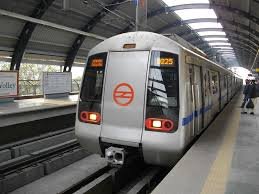

The Delhi Metro Rail Corporation (DMRC) is all set to introduce a major innovation in India’s urban transportation network with the launch of its first-ever dedicated 3-coach train corridor. This new corridor will run between Lajpat Nagar and Saket G Block, providing fast and efficient connectivity across one of the busiest zones in South Delhi.
Traditionally, Delhi Metro operates trains with 4, 6, or 8 coaches, designed to handle large volumes of passengers during peak hours. However, the new Lajpat Nagar–Saket G Block corridor, part of Phase IV of the Delhi Metro expansion, marks a significant shift. It will operate only 3-coach trains, making it the first of its kind in India.
According to officials, this model is being introduced to optimize operational costs and cater to areas with moderate passenger demand, where larger trains may not be necessary or viable. The decision is also in line with Delhi Metro’s strategy to enhance last-mile connectivity by introducing smaller, more agile services in densely populated and commercially active pockets.
This corridor is part of the larger Phase IV plan, which aims to expand the Delhi Metro network by nearly 65 kilometers across three corridors. The Lajpat Nagar–Saket G Block route stands out due to its compact design and specialized infrastructure for short trainsets.
DMRC’s Chief Public Relations Officer Anuj Dayal stated, “The three-coach train model is a forward-looking step aimed at tailoring metro infrastructure to local transport demands. It will reduce operational costs and allow for greater frequency on routes that don’t require full-length trains.”
Some key advantages of this new approach include:
The corridor is expected to significantly benefit residents and businesses in the South Delhi zone, improving access to bustling areas like:
The introduction of this line is also likely to ease pressure on road traffic, especially along the congested Outer Ring Road and Press Enclave Marg.
While the plan is ambitious, DMRC is taking careful measures to ensure it’s successful. Custom-built 3-coach rakes are being designed to accommodate high-density movement while keeping operations light and efficient. Additionally, new signaling and scheduling systems are being developed to maintain high frequency and punctuality.
Experts believe this could set the tone for similar short-route corridors in other Indian cities, particularly in areas that struggle with road congestion but don’t have sufficient passenger volume to justify larger trains.
Q. Why is Delhi Metro launching a 3-coach train corridor?
This model is designed to serve corridors with moderate ridership, where running larger trains would be inefficient. It also helps reduce operational costs and improve train frequency.
Q. Will the Lajpat Nagar–Saket corridor connect with other metro lines?
Yes, Lajpat Nagar is already a major interchange station on the Violet and Pink Lines, which means commuters can easily switch to the 3-coach corridor from existing lines.
Q. When is the 3-coach corridor expected to be operational?
The project is slated for completion by 2028, though updates from DMRC may refine this timeline.
Q. Will these trains be smaller in size or comfort?
While they will have fewer coaches, these trains are being designed to match the same standards in terms of speed, air conditioning, safety, and accessibility.
Q. Could more such corridors be launched in Delhi?
If successful, the model could be replicated in other parts of Delhi and even in other Indian cities for short-distance metro needs.
Part of the NCR Guide editorial team, covering news, real estate, food and lifestyle across Delhi NCR.
Join thousands of Delhi NCR residents who start their day with our morning brief — top stories, real estate updates, events and deals.