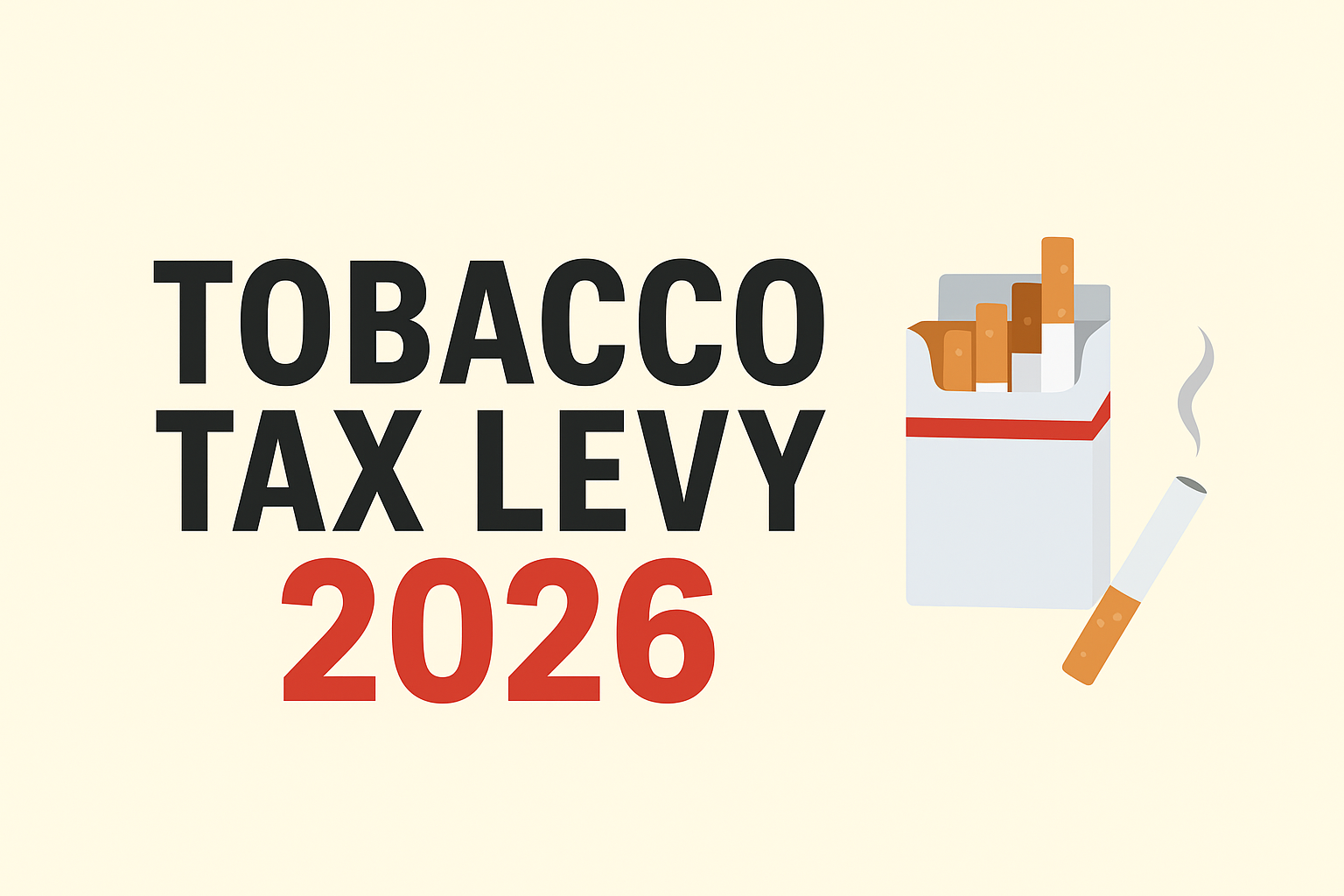

The Centre is weighing a proposal to introduce an additional levy on tobacco products once the current GST compensation cess period ends. While most sectors are expecting relief from rationalised GST slabs, tobacco is unlikely to see a price cut. Instead, the government is looking at a new mechanism to ensure that tax rates on tobacco remain among the highest in India’s GST system.
Tobacco currently attracts 28% GST plus a compensation cess, making it one of the costliest categories under the tax regime. Once the cess period concludes, states risk losing a major revenue stream.
To avoid this, the Centre is planning:
👉 In short, tobacco will remain a special case, treated differently from regular consumer goods because of its health and fiscal impact.
Tobacco taxation in India is not just about money. It serves a dual purpose:
As Finance Ministry officials often emphasize, tobacco taxation is as much about protecting lives as protecting revenue.
Many consumers assume that once the cess ends, tobacco will become cheaper. This proposal makes it clear:
👉 The broader message: don’t expect a ₹200 cigarette pack to suddenly cost ₹150. The deterrent effect is here to stay.
Unlike soaps, food, or automobiles, tobacco is classified as a public health–sensitive product. Globally, the World Health Organization recommends high taxation on tobacco to reduce its usage, and India has aligned with that guidance.
Three key reasons explain the stance:
The exact design of the post-cess levy is yet to be finalised. But here’s what’s likely:
Once the GST Council reaches a consensus, a formal announcement will follow, likely before the cess period officially ends.
This proposal reinforces a long-term reality: tobacco will never enjoy the same rationalisation as everyday consumer goods. Even as GST rates are simplified across sectors, the government will continue to keep taxes high for tobacco because:
As one public health expert put it: “Cheaper tobacco means more smokers. More smokers mean more cancer. No government can afford that.”
The government’s stance is clear: even when cess ends, another levy will step in to keep tobacco expensive. This isn’t just about revenue—it’s about reducing consumption, protecting public health, and ensuring consistency in fiscal policy. In India’s tax landscape, tobacco isn’t treated like a commodity; it’s treated like a liability.
The government views tobacco as both a public health risk and a revenue generator. Once the compensation cess period ends in March 2026, policymakers don’t want tobacco prices to drop sharply. An additional levy ensures tobacco remains expensive, discouraging consumption while maintaining a steady tax flow.
No. Even after the cess period ends, the government is preparing to introduce an alternate levy to keep overall taxes on tobacco high. This means consumers should not expect cigarettes, bidis, or other tobacco items to become cheaper.
Most tobacco products already fall under the highest GST slab of 28%, plus a compensation cess that varies depending on the product type. Together, this makes tobacco among the most heavily taxed categories in India.
“Sin goods” is a term used for products that are harmful to health or society—like tobacco, alcohol, and sugary drinks. These goods are taxed at higher rates not only to raise revenue but also to discourage their consumption. Tobacco is a prime example because of its proven health risks and economic burden on healthcare.
For tobacco manufacturers, the new levy means no relief in pricing pressure. Their margins and pricing strategies will continue to be tightly controlled by taxation policy. Companies may pass costs to consumers, but they cannot expect reduced tax burdens in the near future.
It’s both. Tobacco taxes serve a dual purpose: ensuring the government collects revenue and protecting public health by making tobacco products less affordable. Studies show that higher prices often lead to reduced consumption, especially among young and low-income groups.
While most goods and services are being streamlined into fewer GST slabs, tobacco is deliberately excluded. The government is signaling that tobacco taxation will remain an exception, reflecting its unique public health and fiscal importance.
Part of the NCR Guide editorial team, covering news, real estate, food and lifestyle across Delhi NCR.
Join thousands of Delhi NCR residents who start their day with our morning brief — top stories, real estate updates, events and deals.