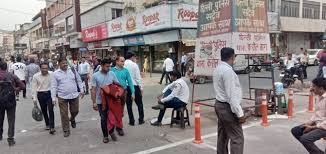

Once a colonial-era neighborhood and now a bustling urban hub, Karol Bagh stands as one of Delhi’s most enduring commercial districts. Known equally for its wedding wear showrooms, budget electronics, and iconic food stops, Karol Bagh has evolved into a multi-layered space where old-world charm meets modern hustle.
Located in Central Delhi, this neighborhood is not just a market—it’s an experience. You’ll find everything from designer lehengas to knockoff iPhones, all packed into crisscrossing lanes where rickshaws, hawkers, and retail banners fight for attention. Whether you’re a tourist chasing local flavor or a Delhiite on a bridal hunt, Karol Bagh rarely disappoints.
Karol Bagh is best known for its:
The area attracts a mix of visitors—wedding shoppers, electronics hunters, budget travelers, fashionistas, and even influencers looking to capture the market’s sensory overload.
According to one shop owner near Gaffar Market,
“Karol Bagh isn’t just about low prices. It’s about discovery. Every lane has a surprise.”
Understanding the different sub-markets is key to navigating Karol Bagh effectively. Each lane has a character of its own.
The heart of Karol Bagh’s retail scene. Famous for:
Most shops here open by 11:00 AM and stay active until 8:30 PM. This is the most organized stretch and a good starting point for first-time visitors.
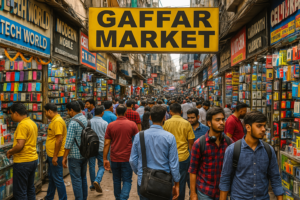
Delhi’s answer to Bangkok’s gadget alleys. Known for:
The market thrives on negotiation, and knowledge helps—many locals recommend bringing a technically savvy friend.
Less flashy, more functional. You’ll find:
This is where many students, book collectors, and treasure hunters spend their afternoons.
The diversity of shops means you can walk in without a list and walk out with bags full of things you never planned to buy. Still, some categories stand out:
If you’re planning to buy electronics or luxury-looking goods at Gaffar Market, keep expectations realistic. Most items are refurbished or sourced through grey channels—not illegal, but not always warranty-covered either.
Despite the rise of malls and online platforms, Karol Bagh retains its charm due to:
Regular visitors often have their own “dealer” or favorite vendor, especially in Gaffar Market. Bridal shoppers trust showrooms that have catered to generations in the same family. And foodies return for specific dishes at stalls that have been running since the 1970s.
“If I have one day to shop for a wedding and I want real variety, I come to Karol Bagh,” says a shopper from Faridabad who visits every few months.
Whether you’re a first-time tourist, a wedding shopper from the suburbs, or a budget-conscious college student, getting to Karol Bagh smoothly can make or break your visit. It’s a busy area—crowded, energetic, and full of life. But with the right planning, your experience can be more discovery and less frustration.
The Karol Bagh Metro Station on the Blue Line is the best and most reliable way to get there. Trains run frequently from major hubs like Rajiv Chowk, Dwarka, Noida Sector 18, and Yamuna Bank.
“If you’re planning to shop, avoid arriving around 5 PM—this station gets packed with office-goers and shoppers,” advises a Delhi Metro official.
While autos and cabs can get you closer to smaller lanes, traffic is a challenge.
Parking in Karol Bagh is available but limited. The following are common spots:
Pro tip: If you’re visiting on a weekend or festival season, park near Jhandewalan Metro Station and walk or take an e-rickshaw. The 7–10 minute walk is easier than getting stuck in congestion.
| Day | Opening Hours | Notes |
|---|---|---|
| Monday | Closed | Weekly off |
| Tuesday to Sunday | 10:30 AM – 8:30 PM | Most active after 12 PM |
Visit on a weekday between 11:30 AM and 2:30 PM. You’ll beat the rush and get the attention of shopkeepers who are more likely to offer discounts earlier in the day.
Evenings (especially weekends) bring out the full Karol Bagh experience: crowded, loud, and alive. Ideal for people-watching and spontaneous finds, but less ideal if you dislike crowds.
Karol Bagh is cash-friendly but not cash-only. Still, smaller shops and food stalls often prefer cash or UPI.
If you’re short on time, here’s a suggested 4-hour route:
2:45 PM – Walk back toward metro or take an auto to Jhandewalan
11:00 AM – Arrive via Metro, exit Gate 2
11:15 AM – Start shopping on Ajmal Khan Road
12:15 PM – Drop by Gaffar Market for electronics window-shopping
1:15 PM – Grab lunch at Roshan Di Kulfi or Changezi
2:00 PM – Quick visit to Arya Samaj Road for books or bargain hunting
A visit to Karol Bagh is never complete without diving into its legendary food culture and discovering the local charm beyond shopping lanes. Whether you’re famished after hours of retail therapy or simply curious about Old Delhi-style flavors in a more accessible setting, Karol Bagh offers plenty to explore.
Food is part of the Karol Bagh identity. From street-side stalls to legacy restaurants, the area has enough variety to satisfy budget eaters, spice lovers, and those chasing iconic Delhi dishes.
“We stop for kulfi every single time we shop here—it’s like a family tradition,” says a Karol Bagh regular from Rajouri Garden.
If you’re looking to sit down or eat something substantial:
If you prefer quieter corners or coffee over chaat:
Even though Karol Bagh is primarily a commercial zone, its central location makes it easy to combine your shopping visit with cultural or spiritual exploration.
One of Delhi’s prominent Devi temples, located just one metro stop away or a 15-minute walk. Known for:
A small green space near the main market stretch. It’s not a must-see, but:
An old residential neighborhood behind Arya Samaj Road, offering:
“I used to visit Karol Bagh with my grandfather in the 80s. The market’s changed, but some snack shops haven’t moved an inch,” recalls a retired government officer we interviewed outside Prem Dhaba.
FAQs
What is Karol Bagh famous for?
Karol Bagh is famous for its wedding wear shops, electronics hub Gaffar Market, export-surplus clothing, and legendary street food.
Which metro station is closest to Karol Bagh?
The Karol Bagh Metro Station on the Blue Line is the closest. Exit Gate 2 leads directly to Ajmal Khan Road.
Is Karol Bagh closed on Mondays?
Yes, Karol Bagh markets are closed every Monday. Tuesday to Sunday, shops open from around 10:30 AM to 8:30 PM.
What are the best things to buy in Karol Bagh?
You can buy bridal wear, electronics, footwear, fabrics, cosmetics, mobile accessories, and street snacks.
Is Gaffar Market inside Karol Bagh?
Yes, Gaffar Market is a prominent sub-market within Karol Bagh, known for gadgets, phones, and repair services.
Are there good food options in Karol Bagh?
Absolutely. Popular food spots include Roshan Di Kulfi, Changezi Chicken, and several street food vendors selling chaat, kulfi, and snacks.
How crowded does Karol Bagh get?
Karol Bagh is busiest in the evenings and on Sundays. Visit early on weekdays for a more relaxed experience.
Is Karol Bagh safe for solo travelers?
Yes, it’s generally safe during the day. Stay on main roads, avoid isolated lanes after dark, and keep your belongings secure.
Are there attractions near Karol Bagh?
Yes, Jhandewalan Temple is nearby, along with Dev Nagar, Ajmal Khan Park, and quick metro access to Connaught Place.
Part of the NCR Guide editorial team, covering news, real estate, food and lifestyle across Delhi NCR.
Join thousands of Delhi NCR residents who start their day with our morning brief — top stories, real estate updates, events and deals.