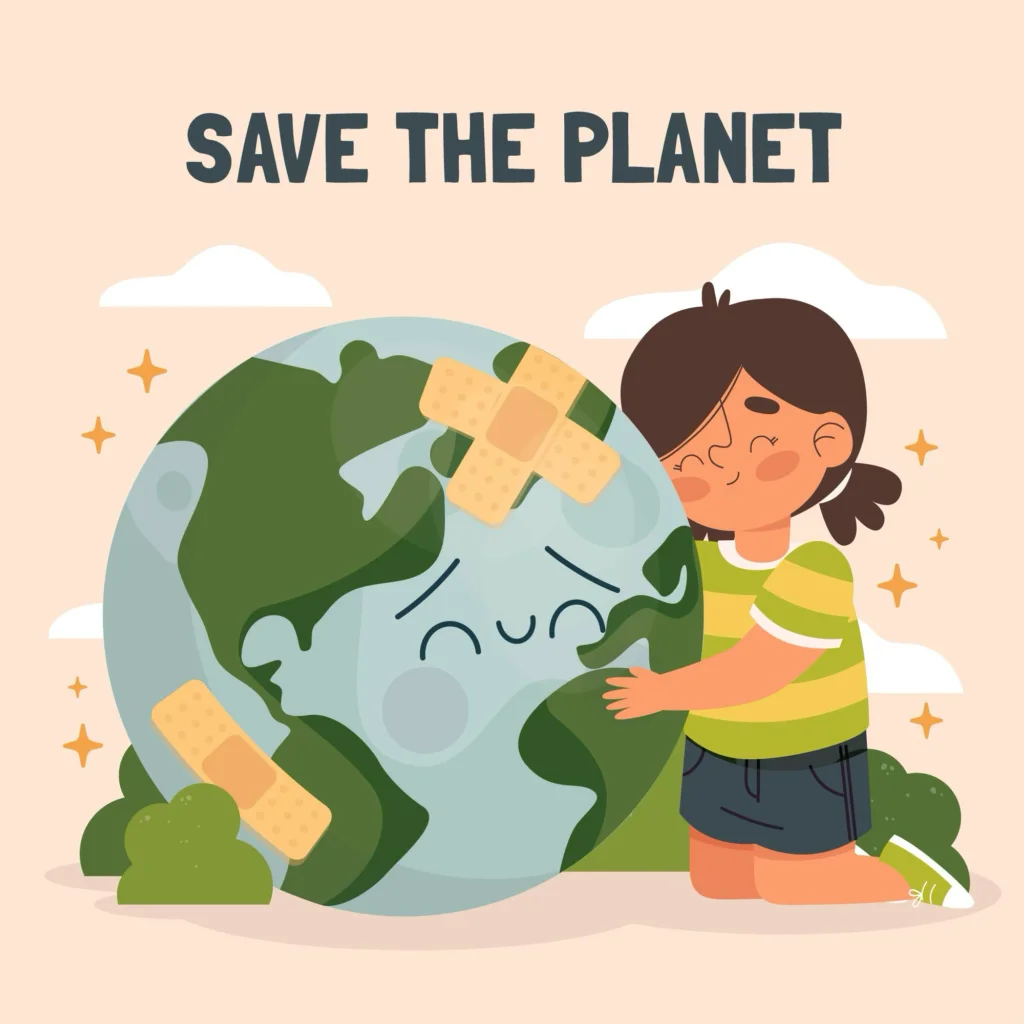
Preschool is the perfect age to help children start understanding the world around them, including the environment they live in. Young children may not understand complex environmental issues yet, but they do notice things around them, like the smoke from traffic, litter on the ground, or cloudy water during the monsoon. This makes early pollution awareness not only helpful but also necessary.
This early understanding builds a strong foundation of nature awareness, care, and responsibility that stays with them as they grow.
Why is it Necessary to Build Environmental Awareness in Preschoolers?
Children growing up in Indian cities, particularly in regions like Delhi-NCR, often experience environmental issues in their daily lives, from smoggy mornings to water scarcity and waste piled up near homes. This makes teaching environmental awareness even more important.
When preschoolers learn about pollution early:
They become more aware of their surroundings.
They understand the link between clean air and their own health.
They naturally develop habits like throwing waste in the bin, saving water, or caring for plants.
They grow into responsible citizens who value a cleaner, healthier planet.
1. Introducing Sustainability in Their Daily Routine
Young children learn best when ideas are simple and closely connected to their daily routine. Here are a few beginner-friendly ways to introduce sustainability:
Reduce, Reuse, Recycle: Explain how using fewer things helps the Earth stay clean by showing them how to reuse paper, containers, or bags.
Saving Water: Encourage them to save water by using everyday examples, such as closing taps while brushing or washing their hands.
Caring for Nature: Show them how plants, trees, and animals rely on a clean environment to survive. Encourage them to handle plants gently and avoid littering outdoors.
2. Learning Through Hands-On Activities
For preschoolers, engaging in activities that help them care for the environment is an effective way to learn nature awareness. Below are some activities you can try with them:
Nature Walks & Field Visits: A walk in the park allows children to observe clean and polluted areas. They naturally learn to appreciate green spaces.
Create Art From Recycled Materials: Use old newspapers, cartons, or bottle caps for craft time. These easy art activities help preschoolers understand recycling in a creative way.
3. Understanding Nature With Simple Science Experiments
Show pollution concepts through fun and easy science activities. Some examples of hands-on activities to teach environmental awareness to preschoolers include:
Smog Jar: Use cotton, paper, and coloured water to show how smoke dirties the air.
Clean vs Dirty Water: Compare a jar of muddy water with fresh tap water. Discuss which one is safe for drinking.
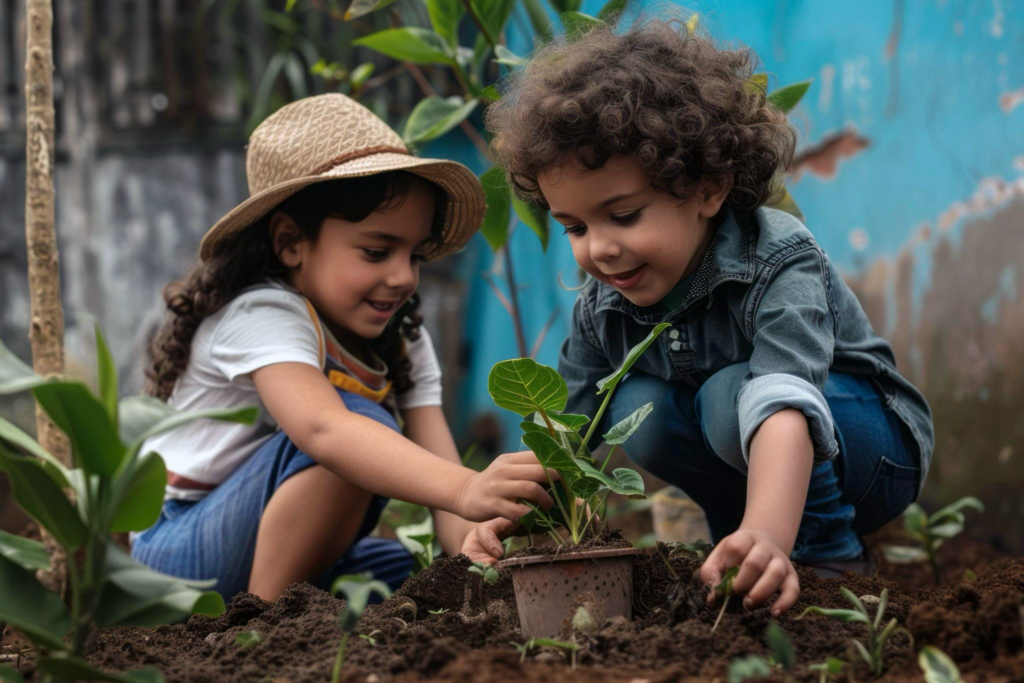
Gardening Projects: Let children plant seeds, water them daily, and track growth. During this gardening project, you can even explain to them how trees help keep the air clean.
4. Introducing Environmental Themes Through Stories & Songs
Stories and songs are powerful tools for building environmental awareness in preschoolers. They simplify big ideas through characters, visuals, and rhythm.
Books About Nature & Responsibility: Choose picture books that talk about taking care of plants, animals, and the Earth.
Songs About Nature & Pollution: Simple, catchy songs about saving water, planting trees, or keeping the Earth clean stay with children for a long time.
5. Teaching Responsibility Through Classroom Practices
Daily classroom habits can strengthen a child’s understanding of pollution. These include:
Classroom Recycling Station: Set up a simple recycling corner where children learn to sort paper, plastic, and organic waste.
Energy Conservation: Show children how switching off lights and fans when they leave a room saves energy.
Waste-Free Lunches: Encourage parents to send their child’s lunch in reusable containers along with cloth napkins.
6. Appreciating Environment With Animals & Nature
Children often feel a natural connection with animals. Use this connection to help them build nature awareness.
Animal Care: Explain how animals need clean air, water, and safe spaces to live. Encourage kindness towards all living creatures.
Nature Appreciation: Talk about birds, butterflies, and insects they see around them. Discuss how pollution affects their homes.
7. Celebrating Environmental Days
Mark special days with simple activities that encourage pollution awareness.
Earth Day Projects: Make posters, plant saplings, or organise a small clean-up activity.
Arbour Day: Talk about the importance of planting trees and how trees help clean the air.
8. Encouraging Outdoor Time
Arranging more outdoor activities for preschoolers helps them connect with nature as they observe trees, plants, birds, and seasons. To make this happen, below are some activities to encourage:
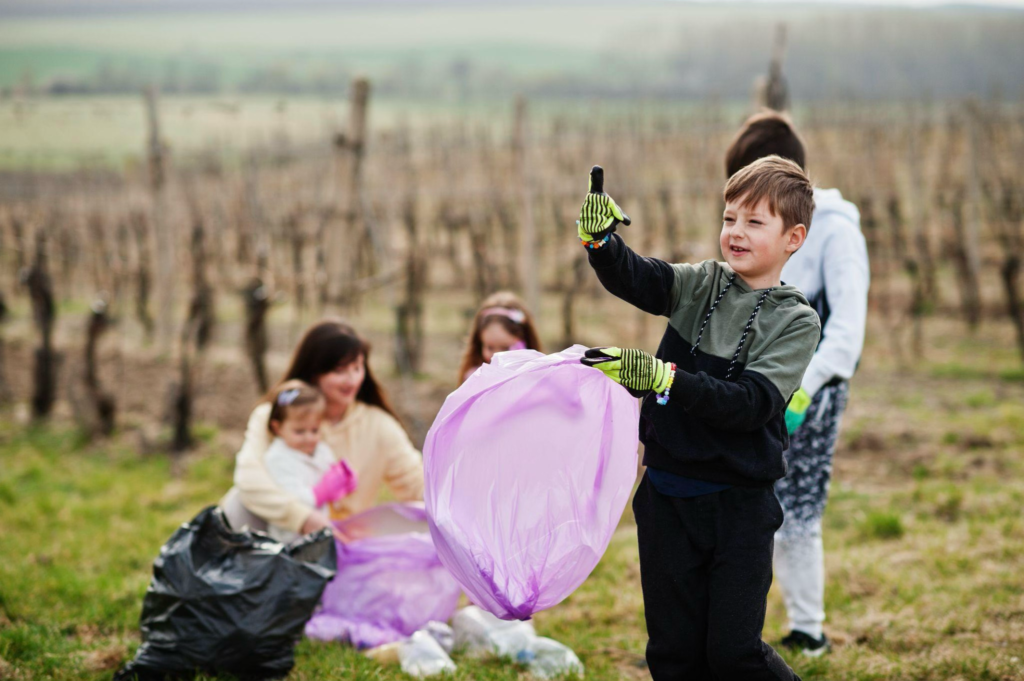
Get Involved in Local Environmental Projects: Join community clean-ups, tree-planting drives, or eco-friendly events that involve children to help them see how their actions make a positive difference.
Plant Trees: Let children participate in planting small saplings at home or in the community. They learn responsibility while understanding how trees reduce air pollution.
Conclusion
Building pollution awareness in preschoolers is about helping them develop small, meaningful habits through stories, nature walks, creative play, hands-on activities, and simple everyday actions. These early lessons help children grow into thoughtful, responsible individuals who understand why environmental awareness is necessary and how their choices affect the world around them.