
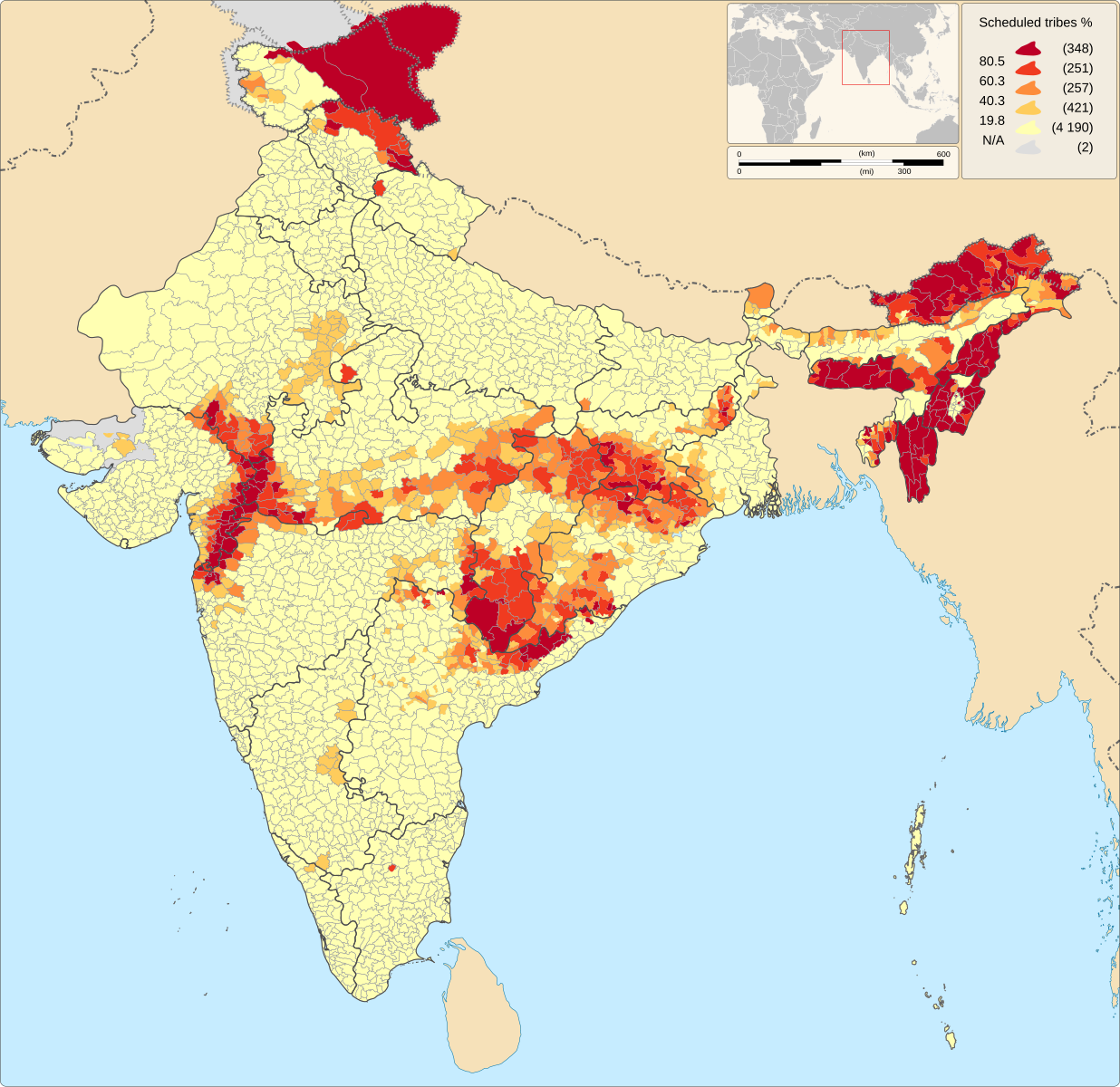

In a landmark decision poised to reshape India’s social policy landscape, the Union Cabinet on April 30, 2025, approved the inclusion of caste-based enumeration in the upcoming national population census. The move comes amidst growing calls for data-driven policymaking and renewed interest in understanding the country’s complex caste composition beyond Scheduled Castes (SCs) and Scheduled Tribes (STs).
The last time a comprehensive caste census was conducted in India was in 1931, making this a historic course correction. Post-independence censuses have only included data on SCs and STs, leaving out information on other backward or forward castes—data that could critically shape welfare and reservation policies.
Union Minister Ashwini Vaishnaw, announcing the Cabinet’s decision, stressed the importance of the move.
“It is the government’s duty to provide transparent and scientific data for inclusive development. A caste census will strengthen our democracy and help shape targeted welfare policies,” Vaishnaw stated.
He also took a direct jab at the previous Congress-led UPA government.
“In 2010, then PM Manmohan Singh gave the Lok Sabha an assurance of a caste census. But all we got was a survey, not proper enumeration. The data from that survey were never published,” said Vaishnaw.
The Census of India is governed by the Census Act of 1948 and falls under the Union List (Entry 69) of the Constitution. This makes it entirely within the central government’s domain to decide its scope and structure. The caste enumeration will now be a structured and authenticated component of the official Census process, not just a supplementary or independent survey.
The Ministry of Home Affairs, which oversees the Office of the Registrar General and Census Commissioner, is expected to soon release detailed guidelines on how the caste data will be collected, tabulated, and published.
This decision follows increasing demands across the political spectrum for up-to-date caste data to inform policy decisions, particularly regarding reservations, welfare programs, and resource allocation.
Several states have already undertaken independent caste surveys:
These state-level surveys brought the national spotlight back on caste representation and the lack of empirical data guiding federal welfare programs.
While the BJP-led central government has historically avoided taking a firm position on caste enumeration, this shift indicates a recalibrated approach ahead of the 2026 Assembly Elections and possibly the 2029 General Elections.
Opposition leaders, especially from regional parties like the RJD, SP, and DMK, have welcomed the move but questioned its timing.
“This should have happened years ago. Still, it’s a welcome step. We hope this is not an election gimmick but a sincere step toward social justice,” said RJD leader Tejashwi Yadav.
Congress, while supporting the move, has demanded that the Socio-Economic and Caste Census (SECC) 2011 data also be released in parallel.
“The government must release SECC 2011 data for a fuller picture and ensure transparency,” said Congress spokesperson Jairam Ramesh.
Caste data from the census could reshape:
Many analysts believe this could pave the way for a more equitable re-distribution of state resources and legal reform in affirmative action, especially as the Mandal-era politics begin to re-emerge.
“We cannot solve inequality without knowing its structure. A caste census is fundamental to India’s development logic,” said sociologist Dr. Anand Teltumbde.
While no exact date has been announced, the delayed Census 2021, postponed due to COVID-19 and logistical challenges, is expected to be rolled out in phases beginning early 2026.
The Home Ministry will now develop robust mechanisms to integrate caste data collection without disrupting existing census processes. Digital enumeration, Aadhaar-linked records, and geotagged surveys may also be deployed for accuracy and transparency.
This historic decision by the Union Cabinet marks a pivotal moment in India’s journey toward more inclusive and data-driven governance. As the country heads into the next census, the accurate enumeration of caste will not only ensure better-targeted policies but also foster a deeper understanding of India’s diverse socio-economic landscape. Whether this move will lead to substantive changes in reservations, social justice programs, or political representation remains to be seen, but the approval of a caste census is undoubtedly a significant step toward achieving a more equitable society for all Indians. With this foundation in place, the government now faces the challenge of ensuring transparency and fairness in its implementation, so that the aspirations of India’s marginalized communities are truly addressed in the policies that follow.
Part of the NCR Guide editorial team, covering news, real estate, food and lifestyle across Delhi NCR.
Join thousands of Delhi NCR residents who start their day with our morning brief — top stories, real estate updates, events and deals.