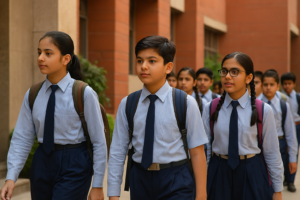

Schools in parts of Uttar Pradesh have extended winter holidays until January 10 after severe cold and cold wave conditions continued to grip the region. The decision applies to Classes 1 to 8 in five districts, with authorities citing health risks for young children due to persistently low temperatures.
The move comes as minimum temperatures in several areas dropped sharply, prompting district administrations to prioritise student safety over classroom attendance.
According to official orders, the holiday extension applies to primary and upper primary students, specifically Classes 1 to 8. Schools catering to these classes will remain closed until January 10.
Instructions for higher classes have been left to district-level discretion. In some areas, schools may operate with revised timings, while in others, separate advisories are expected depending on weather conditions.
District officials said the decision was taken in response to severe cold wave conditions, which pose a higher risk to younger children who are more vulnerable to cold-related illnesses.
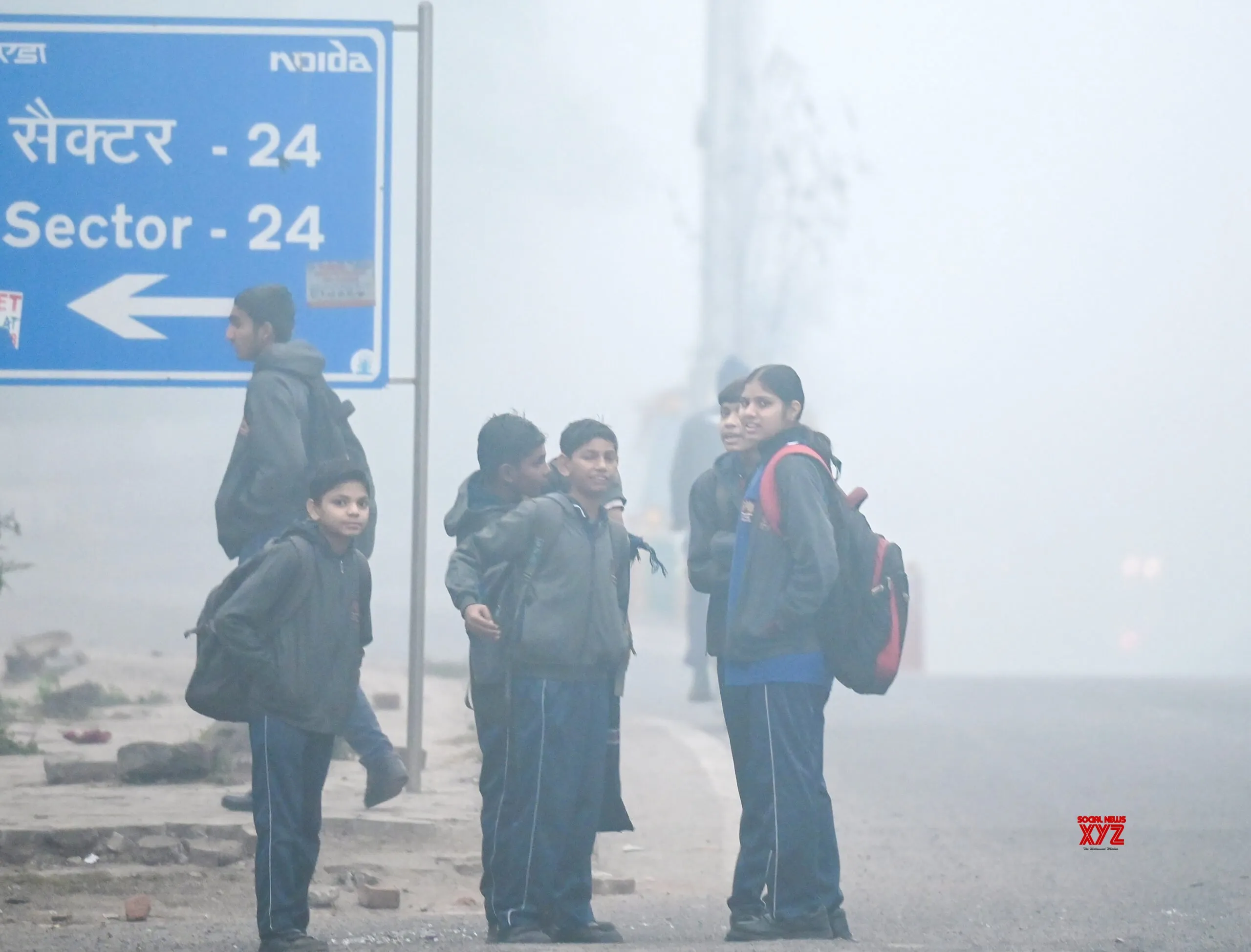
Morning temperatures across parts of Uttar Pradesh have remained unusually low, with dense fog and cold winds worsening exposure during early school hours. Authorities noted that continued classroom attendance under such conditions could increase the risk of respiratory infections and other health issues among students.
The holiday extension applies to five districts identified as experiencing the most severe cold conditions. Officials indicated that the decision was district-specific, based on local weather patterns rather than a statewide order.
Administrations have also signalled that more districts could follow if cold wave conditions persist or intensify in the coming days.
Parents have been advised to remain in touch with their respective schools for local updates, as reopening dates could change depending on weather improvement.
At present:
• No blanket directive has been issued for online classes
• Examination schedules, if any, are expected to be adjusted internally by schools
• Any early reopening will depend on temperature trends and official clearance
Authorities said further instructions will be issued if conditions improve before January 10.
School closures during extreme cold are not uncommon in northern India, particularly for primary classes. In previous winters, similar holiday extensions were implemented during prolonged cold spells to reduce health risks for young students.
Officials noted that such measures are preventive and may be rolled back once temperatures stabilise.
The development is closely watched by parents in Delhi NCR, especially those with children studying in western Uttar Pradesh districts near Noida and Ghaziabad. Cold wave conditions often affect the entire region simultaneously, and similar advisories may follow in neighbouring districts if temperatures remain low.
Parents are advised to monitor updates from district administrations and weather advisories over the next few days.
Meteorological agencies have indicated that cold wave conditions may persist in parts of Uttar Pradesh. District authorities said they will continue to review the situation daily and issue further instructions if required.
For now, schools covered under the order will remain closed for Classes 1 to 8 until January 10, with student safety cited as the primary concern.
The holiday extension applies to Classes 1 to 8 in the affected districts. These include primary and upper primary students who are considered more vulnerable to extreme cold conditions.
Schools covered under the order will remain closed until January 10, subject to further review based on weather conditions.
No. The decision applies only to five districts that are currently experiencing severe cold wave conditions. It is a district-specific order, not a statewide closure.
At present, the closure applies only to Classes 1–8. Instructions for higher classes are being decided at the district or school level, and may include revised timings or separate advisories.
Authorities extended the holidays due to persistently low temperatures, cold wave conditions, and dense fog, which increase health risks for younger children, particularly during early morning school hours.
There is no blanket directive for online classes. Schools may take individual decisions depending on their academic calendar and local conditions.
Yes. District administrations may revise the order if temperatures rise and cold wave conditions ease before January 10. Parents are advised to stay in touch with schools for updates.
Officials have indicated that additional districts may extend holidays if cold conditions persist or intensify in other parts of the state.
Yes. Temporary school closures or holiday extensions during extreme cold spells are common in northern states, especially for younger classes, to reduce health risks.
Many students from Uttar Pradesh study in districts near Delhi NCR. Similar cold wave patterns often affect the entire region, making this update relevant for nearby areas as well.
Part of the NCR Guide editorial team, covering news, real estate, food and lifestyle across Delhi NCR.
Join thousands of Delhi NCR residents who start their day with our morning brief — top stories, real estate updates, events and deals.